6 min read
Binance accounts closing in Europe by the end of 2026 affect users in some countries, and fees start before that. CoinDesk reported on Nov. 7, 2026 that affected users have been told to pull their crypto before the fees kick in. If you’re one of them, the fix is simple: check your Binance notices today and move your coins well before December. Leaving it to the last week is how people get hurt.
Key takeaways
- CoinDesk reported on Nov. 7, 2026 that Binance told users in some European countries to withdraw their crypto, with accounts closing by year end.
- Fees apply before the closure, according to the same CoinDesk report. The headline doesn’t give the amount or start date.
- Counting from Nov. 8, a year-end deadline leaves about 53 days to act.
- Total crypto market cap is about $2.566 trillion, down 2.74% in 24 hours, so moving coins quickly matters more than timing the market.
Are Binance accounts closing in Europe for everyone?
No. The CoinDesk headline says some European countries, not all of them. It doesn’t list which ones in the material I have, and I’m not going to guess. If your country is affected, Binance should have sent you an email, an in-app notice, or both.
Here’s what the report supports: users in the affected countries were told to withdraw, fees come before the shutdown, and accounts close by the end of the year. Here’s what it doesn’t tell us: how big the fees are, what they’re charged on (balances, inactivity, withdrawals), the exact start date, and the reason for the closure.
So my advice is to open the Binance app, go to your notifications and message center, and search your inbox for anything from Binance sent since early November. Treat the official notice as the only source of truth for your own account, not a screenshot someone posted.
How long do you have before the fees and closure?
The deadline is the end of 2026. The fee start date isn’t in the headline, and the fees come first, so your real deadline is earlier than Dec. 31. Plan around that.
| Milestone | Date | Source |
|---|---|---|
| Report of user notices | Nov. 7, 2026 | CoinDesk |
| Today | Nov. 8, 2026 | Starman |
| Fees start | Before closure (date not given in headline) | CoinDesk |
| Accounts close | By end of 2026 (about 53 days from Nov. 8) | CoinDesk |
Fifty-three days sounds like plenty. It isn’t always. Lots of people will be withdrawing at the same time, support tickets will stack up, and anyone with a KYC problem or a locked account will need that time to sort it out. I had coins on an exchange during the 2018 bear market when it pulled service from a region, and the trouble wasn’t the closure. It was the last week, when everybody tried to leave at once.
How do I withdraw crypto from Binance safely?
The mechanics haven’t changed. What changes under time pressure is how often people make mistakes. Do it in this order:
- Redeem anything locked first. Earn products, staking, and locked savings can have redemption periods. Start these now, because a lockup can outlast the fee-free window.
- Close open positions. Futures, margin, and open orders tie up balances. Cancel or settle them so the funds go back to your spot wallet.
- Pick where the coins go. A hardware wallet, a software wallet you control, or another exchange that’s licensed in your country. Write the seed phrase on paper and keep it offline.
- Match the network. If you withdraw USDT on one chain to an address that only supports another, you can lose the funds. Check that the network on Binance matches what the receiving wallet expects.
- Include memos and tags. Some coins, such as XRP and XLM, need a destination tag or memo when you send to an exchange. Leaving it out is one of the most common ways deposits go missing.
- Send a small test first. Send a small amount, confirm it arrived, then send the rest. It costs one extra network fee and saves you from the worst outcome.
- Download your history. Export your full trade, deposit, and withdrawal history before the account closes. You’ll want it at tax time, and you may not be able to get it later.
Does moving your crypto trigger taxes?
Moving coins from an exchange to a wallet you own usually isn’t a sale. Selling to cash or swapping one token for another can be, and that depends on where you live. Don’t panic-sell to avoid the fees without thinking about the tax consequences.
European rules are changing. Decrypt reports that Greece just passed a crypto tax law with a 10% levy on gains, 15% on staking and DeFi income, and a €500 ($557) annual gains threshold. Decrypt also notes that lawmakers left questions about token swaps unresolved. I’m not saying Greece is one of the affected countries, because the report doesn’t say. It just shows how fast the rules are moving, so check with someone local before you start converting things.
Why this matters beyond Binance
This isn’t the only exchange losing access somewhere this week. CoinDesk reported that Thailand is moving to block Bitget, and the U.S. Treasury ordered American financial institutions to cut off MEXC over what it alleges was $16 billion in illicit flows. We covered that in what the MEXC FinCEN order means for your funds.
The point I keep coming back to is that an exchange account is permission, not ownership. That permission depends on the exchange’s licenses and where you live, and it can be withdrawn with a few weeks’ notice. That’s been true since 2017. It just gets proven more often now.
Binance is also still dealing with what a TRM Labs executive, in an interview with Cointelegraph, called a record $6.3 billion theft. Nothing I’ve seen links the European closures to that hack, so I wouldn’t assume they’re connected. Both stories point the same direction, though: don’t leave more on any single exchange than you actually need there.
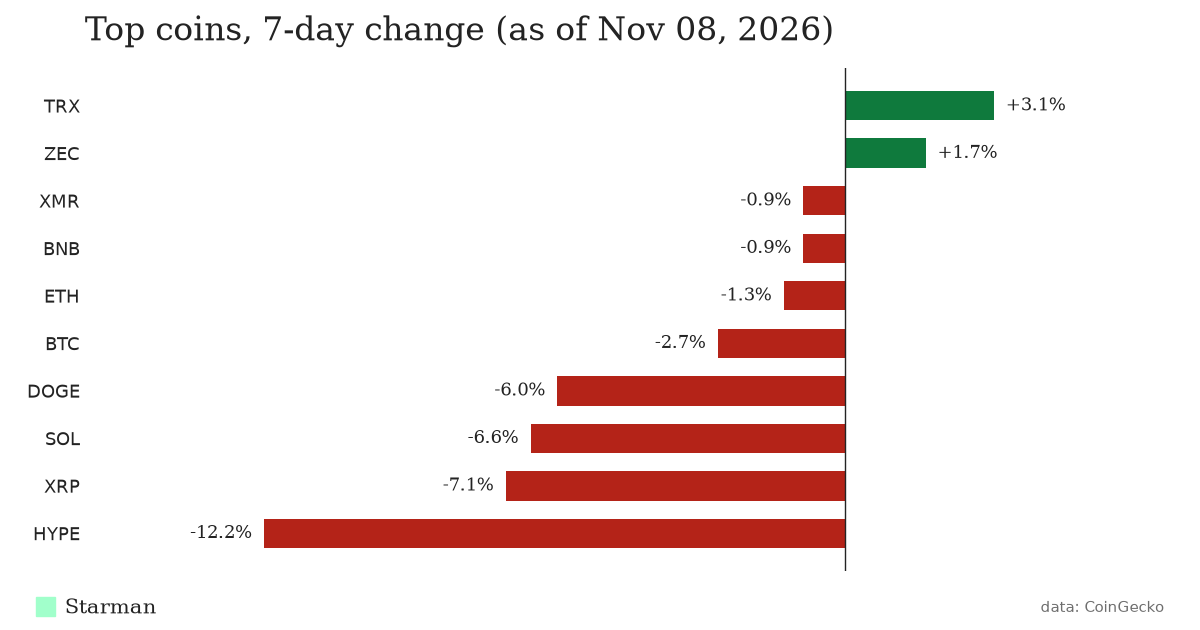
The wider market isn’t giving anyone much comfort either. Total crypto market cap is about $2.566 trillion, down 2.74% over 24 hours, and Bitcoin dominance is 59.32%. High dominance usually means money is moving out of smaller coins, so check that any altcoin you plan to move is supported by the wallet or exchange you’re sending it to. For more on prices, see this week’s market recap.
FAQ
Which European countries are affected by the Binance closures?
The CoinDesk headline says “some European countries” and doesn’t list them in the information available here. Your account notices from Binance are the reliable way to know whether you’re affected. Be skeptical of country lists going around on social media until Binance confirms them.
What happens to crypto left on Binance after the deadline?
The report says accounts close by year end but doesn’t explain what happens to leftover balances. Exchanges handle this differently, sometimes converting to a stablecoin or cash, sometimes keeping funds claimable for a period. Don’t test it. Withdraw before fees start so you never have to find out.
How much are the new Binance fees?
The amount and start date aren’t in the CoinDesk headline. Check the official notice in your Binance account for the details. Either way, it makes sense to move your coins before the fees apply.
Is moving my crypto to a personal wallet safe?
It can be safer than an exchange, but then you’re responsible for it. Back up your seed phrase offline, never type it into a website, and always send a small test transaction first. If that sounds like too much, a licensed exchange in your country is a reasonable middle option.
What I’d watch and do over the next few weeks
First, watch for Binance’s official list of affected countries and the exact fee start date. Once those are public, the real deadline is clear. Second, watch whether other big exchanges announce similar pullbacks in Europe, which would mean this is about regulation and not just Binance. Third, watch for phishing. Every closure brings a wave of fake “verify your account” emails.
Personally, I’d redeem anything locked this week, export my history, and have everything moved by early December at the latest. This is not financial advice. Do your own research, and go by the notice in your own account over any headline, including this one.
Related reading
This article is for information only and is not financial advice. Crypto assets are volatile; you can lose all of your money.