8 min read
Goolsbee October CPI “borderline disturbing” Fed rates warning landed November 11: the 0.4% monthly jump pushed annual inflation to 3.74% (BLS), and the Chicago Fed President’s blunt language came as the 10-year Treasury yield touched 5.00% (Yahoo Finance). When a voting Fed official uses words that harsh while yields spike, you pay attention.
The October report landed while the fed funds effective rate already sits at 3.88% (New York Fed, November 9). The gap between inflation and the policy rate has narrowed to just 14 basis points, meaning real short-term rates are barely positive. For the Fed, that’s a problem.
Key takeaways
- Goolsbee called October’s 0.4% CPI “borderline disturbing,” the harshest Fed language on inflation in months (CNBC, November 11).
- The 10-year Treasury yield hit 5.00% on November 11 (Yahoo Finance), the highest since the 2023 spike.
- With fed funds at 3.88% and CPI at 3.74%, real rates are near zero, limiting the Fed’s room to pause.
- A 30-year mortgage priced off a 5% 10-year would carry a rate around 7%, adding roughly $200/month to a $400,000 loan versus last year.
Why Goolsbee’s Language Matters for Fed Policy
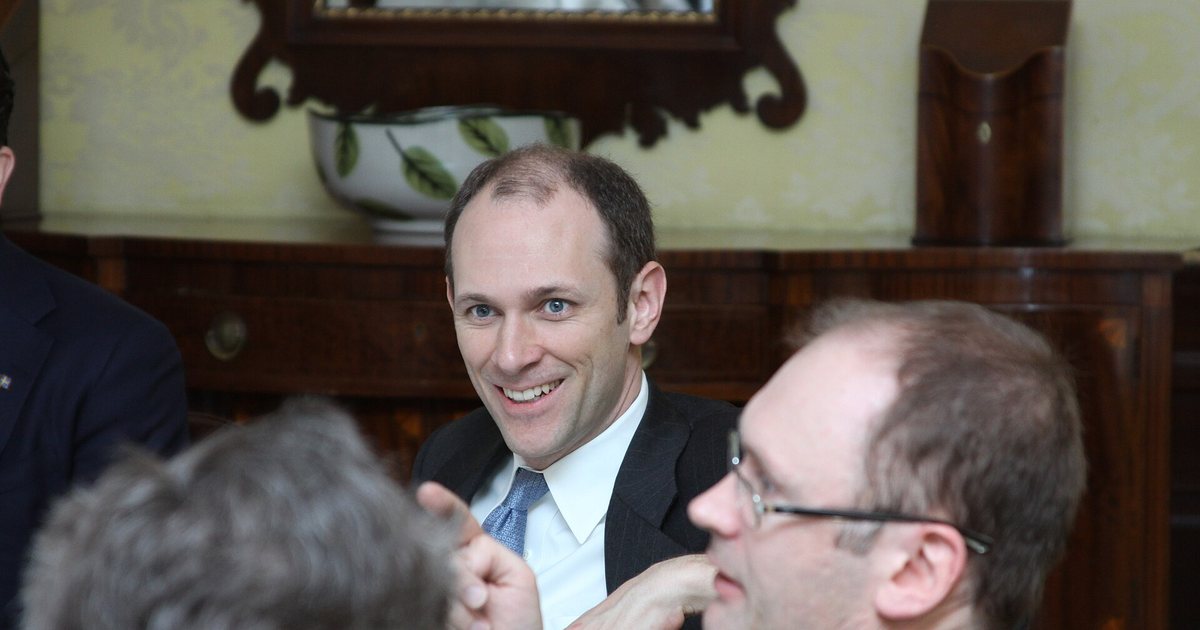
Austan Goolsbee isn’t known for drama. He’s an economist who spent years at the University of Chicago before joining the Fed, and his public comments usually lean data-first and measured. So when he told CNBC the October CPI was “borderline disturbing” and even “distressing,” it signaled genuine concern inside the Federal Reserve about the inflation trajectory.
The context matters: the Fed has already raised rates aggressively, pushing the effective fed funds rate to 3.88%. Inflation was supposed to be cooling by now. Instead, the three-month annualized core CPI is running hotter than the headline, and shelter costs remain stubborn. Goolsbee’s comments suggest the Fed’s confidence in a soft landing is wavering.
What “Borderline Disturbing” Signals About December
Fed officials choose their words carefully. “Borderline disturbing” isn’t in the standard playbook. It suggests Goolsbee sees the October data as a potential inflection point, not a one-month blip. The market responded immediately: fed funds futures now price a 96% probability of another rate hike, according to CME FedWatch (as covered here).
The Fed’s next meeting is December 17-18. Between now and then, they’ll see November’s jobs report and another CPI print. But Goolsbee’s comments suggest the bar for pausing has gotten higher, not lower.
The 10-Year Yield at 5%: What’s Driving It
The 10-year Treasury yield closed at 5.00% on November 11 (Yahoo Finance), up from 4.79% a month ago. That’s a 21 basis point jump in a month, and it reflects three overlapping forces:
- Inflation expectations: If investors expect inflation to stay above 3.5%, they demand higher yields to compensate.
- Term premium: The extra yield investors require for locking up money for 10 years has risen as fiscal deficits widen and Treasury issuance increases.
- Fed policy expectations: A hawkish Fed pushes short-term rates higher, and the long end eventually follows.
The 10-year matters because it’s the benchmark for mortgages, corporate bonds, and auto loans. When it rises, borrowing costs across the economy rise with it.
How the 10-Year Yield Affects Your Mortgage
Mortgage rates typically trade about 170-200 basis points above the 10-year yield. With the 10-year at 5.00%, a 30-year fixed mortgage would price around 6.7% to 7.0%. That’s a meaningful jump from the 6.0% range borrowers saw earlier this year.
For a $400,000 mortgage, the difference between 6.0% and 7.0% is roughly $260 per month. Over the life of a 30-year loan, that adds up to substantial additional interest. The October CPI report, and Goolsbee’s reaction to it, just made that scenario more likely.
October CPI Breakdown: Where Prices Are Rising
The headline 0.4% monthly increase masks some important details. Here’s where the pressure is coming from:
| Category | October MoM Change | YoY Change |
|---|---|---|
| Shelter | +0.4% | Above 4% |
| Energy | +1.2% | Elevated |
| Food at home | +0.2% | +2.8% |
| Used vehicles | +0.5% | +3.2% |
| Medical care services | +0.3% | +3.9% |
Shelter inflation remains the sticky problem. Rents and owners’ equivalent rent make up about a third of the CPI basket. Until housing costs cool, headline inflation will struggle to reach the Fed’s 2% target. For a detailed look at the October report, see our full breakdown.
Energy Prices Are Back in Play
WTI crude oil sits at $87.23 per barrel (Yahoo Finance, November 11), down 7.34% from last month but still elevated. Energy contributed 1.2% to the monthly CPI increase. With geopolitical tensions involving Iran (Treasury Secretary Bessent was moved to a military base amid “growing threats,” per CNBC), oil prices could spike again. That’s a risk the Fed is watching closely.
Real Rates Are Barely Positive: Why That Matters
Here’s the math that keeps Fed officials up at night: the fed funds effective rate is 3.88%, and year-over-year CPI is 3.74%. The real fed funds rate (nominal rate minus inflation) is just 0.14%. That’s barely restrictive.
Monetary policy works by making borrowing expensive enough to cool demand. When real rates are near zero, the Fed’s foot is barely on the brake. Goolsbee’s “disturbing” comment reflects this: if inflation isn’t falling with rates this high, either rates need to go higher or something structural has changed.
By the numbers
- A 1 percentage point rise in mortgage rates on a $400,000 loan adds about $333 to your monthly payment.
- At 3.74% inflation (BLS, October 2026), $10,000 in cash loses $374 of purchasing power in a year.
- A savings account matching the 3.88% fed funds rate (New York Fed, November 9) on $10,000 yields $388, but after $374 in inflation erosion, your real gain is just $14.
- The 10-year yield at 5.00% minus 3.74% inflation gives a real yield of 1.26%, decent by historical standards.
How we calculated: mortgage math uses standard amortization; inflation erosion uses October 2026 BLS CPI of 3.74%; savings rate uses the 3.88% fed funds effective rate (New York Fed, November 9) as a proxy for top HYSA yields.
Stock Market Reaction: Nasdaq Rebounds, but Caution Lingers
Despite Goolsbee’s warning, stocks rallied on November 11. The Nasdaq Composite jumped 2.2%, and the S&P 500 rose 1.58% (Yahoo Finance). The Dow added 0.42%.
Why the disconnect? Two reasons. First, AI stocks led the charge: CoreWeave’s earnings revived optimism about data center spending, and Nvidia rebounded even as CEO Jensen Huang faces personal scrutiny. Second, markets are forward-looking. Investors may be betting that one bad CPI print doesn’t change the trajectory, or that the Fed will blink before breaking something.
I’d be careful here. The Nasdaq is still down 5.84% over the past month and 3.13% over three months. A single green day doesn’t erase the damage from rising yields. If the 10-year stays above 5%, equity valuations face real pressure, especially for growth stocks whose future earnings get discounted more heavily.
Bond Market vs. Stock Market: Who’s Right?
The bond market is signaling concern: yields are rising, and the 10-year at 5% prices in persistent inflation and fiscal stress. The stock market is signaling hope: AI spending will drive earnings, and the Fed won’t crash the economy. Both can’t be right indefinitely. Historically, when they diverge this sharply, the bond market wins.
Global Markets: KOSPI, Nikkei, and the Dollar
U.S. inflation affects more than American wallets. The dollar index (DXY) rose 0.66% to 102.9 on November 11 (Yahoo Finance), its highest in a month. A stronger dollar pressures emerging markets that borrowed in USD and makes U.S. exports less competitive.
| Index | Level | 1-Day Change | 1-Month Change |
|---|---|---|---|
| S&P 500 | 7,639.76 | +1.58% | -2.12% |
| Nasdaq | Up 2.2% | +2.20% | -5.84% |
| KOSPI | 5,239.13 | +4.39% | -17.94% |
| Nikkei 225 | 60,459.58 | +2.87% | -10.80% |
| DAX | 26,662.77 | +1.20% | +5.55% |
KOSPI’s 17.94% monthly decline stands out. Korean equities have been hammered by a combination of won weakness (USD/KRW at 1,336), semiconductor export concerns, and contagion from U.S. rate fears. If you hold Korean stocks or ETFs, the pain has been severe. For more on KOSPI’s troubles, see our analysis.
What About Gold and Bitcoin?
Gold fell 0.77% on November 11 (Yahoo Finance), continuing a three-month slide of nearly 10%. Rising real yields are the culprit: gold pays no interest, so when Treasury yields rise faster than inflation, gold becomes less attractive.
Bitcoin traded at $74,427 (Yahoo Finance), up 0.96% on the day but down 8.97% over the past month. Crypto has been stuck in a holding pattern, with ETF outflows extending to a fourth consecutive day (CoinDesk). Bitcoin tends to struggle when real rates rise because it competes with yield-bearing assets. Until the Fed pivots, I wouldn’t expect crypto to break out.
What Happens Next: Key Dates to Watch
The next month will be critical for determining whether the Fed hikes again in December. Here’s what to watch:
- November 27: October PCE inflation (the Fed’s preferred measure). If it confirms the CPI trend, a December hike is nearly certain.
- December 6: November jobs report. If unemployment stays at 4.1% (BLS, October) and wage growth remains strong, the Fed has cover to hike.
- December 11: November CPI. Two hot reports in a row would seal the deal.
- December 17-18: FOMC meeting. The market currently prices a 96% chance of a hike.
If any of these data points come in softer than expected, the Fed might pause. But Goolsbee’s tone suggests the bias is toward action, not inaction.
FAQ
What did Goolsbee mean by “borderline disturbing”?
Chicago Fed President Austan Goolsbee used the phrase to describe October’s 0.4% monthly CPI increase, which pushed year-over-year inflation to 3.74%. The language signals genuine concern that inflation isn’t cooling as expected despite aggressive rate hikes. It suggests the Fed may need to do more.
Will the Fed raise rates in December 2026?
Markets are pricing a 96% probability of a rate hike at the December 17-18 FOMC meeting. Goolsbee’s comments reinforce this expectation. The fed funds rate could rise from 3.88% to around 4.13% if the Fed hikes by 25 basis points.
Why is the 10-year Treasury yield at 5% important?
The 10-year yield is the benchmark for mortgage rates, corporate borrowing costs, and auto loans. At 5.00%, mortgage rates typically land around 6.7% to 7.0%. Higher yields also pressure stock valuations, especially for growth companies whose future earnings are worth less in present value terms.
How does inflation affect my savings account?
If your savings account pays around the 3.88% fed funds rate and inflation is 3.74%, your real return is minimal. Your money is growing nominally but barely keeping pace with rising prices. Consider I Bonds, TIPS, or short-term Treasury bills for inflation-protected alternatives.
Should I lock in a mortgage rate now?
If you’re planning to buy a home and can afford current rates, locking in may make sense. Waiting for rates to drop assumes the Fed will pivot soon, which Goolsbee’s comments suggest is unlikely. Fixed-rate mortgages protect you from further increases.
Is this good or bad for stocks?
It’s complicated. Stocks rallied on November 11, but rising yields create headwinds for equity valuations. If the 10-year yield stays above 5%, expect continued volatility, especially in tech and growth sectors. Value stocks and dividend payers may hold up better.
This is not financial advice. Do your own research before making investment decisions.
What I’m Watching From Here
Goolsbee’s blunt language tells me the Fed’s patience is running thin. I’ll be watching the November PCE report on the 27th closely. If core PCE comes in above 0.3% month-over-month, the December hike is locked in, and the conversation shifts to whether January brings another one.
For your own finances: revisit your fixed vs. floating rate exposure, check that your emergency fund actually earns something, and don’t assume rate cuts are coming soon. The Fed has been wrong about inflation before. Goolsbee’s choice of words suggests they know it.
Related reading
Keep reading

This article is for information only and is not financial advice. Crypto assets are volatile; you can lose all of your money.